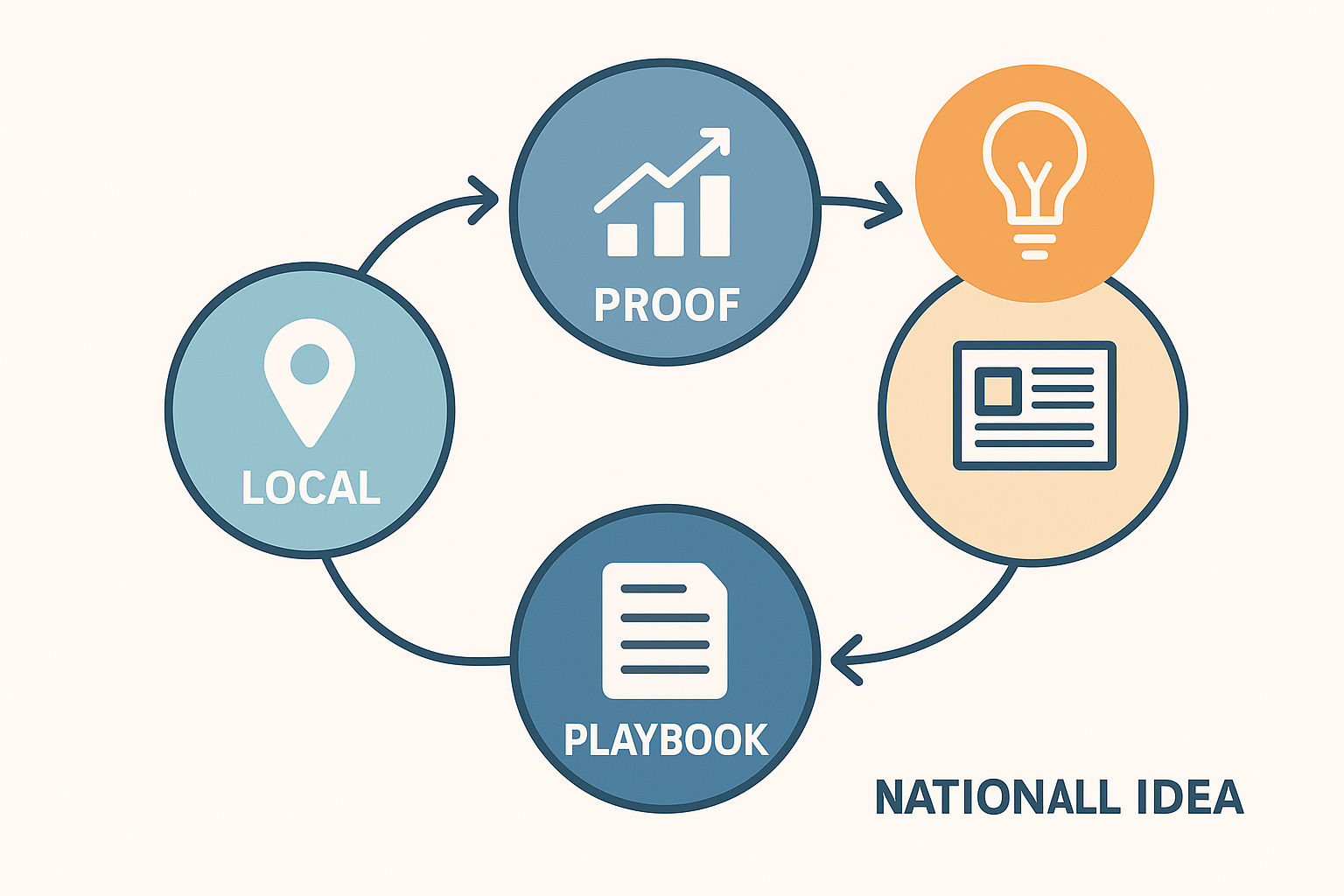
Introduction National reputation often starts on neighborhood streets. Editors everywhere are hunting for specific, human stories with proof—exactly what community work produces. But most brands... Continue reading

Category: PR, Earned Media & Reputation
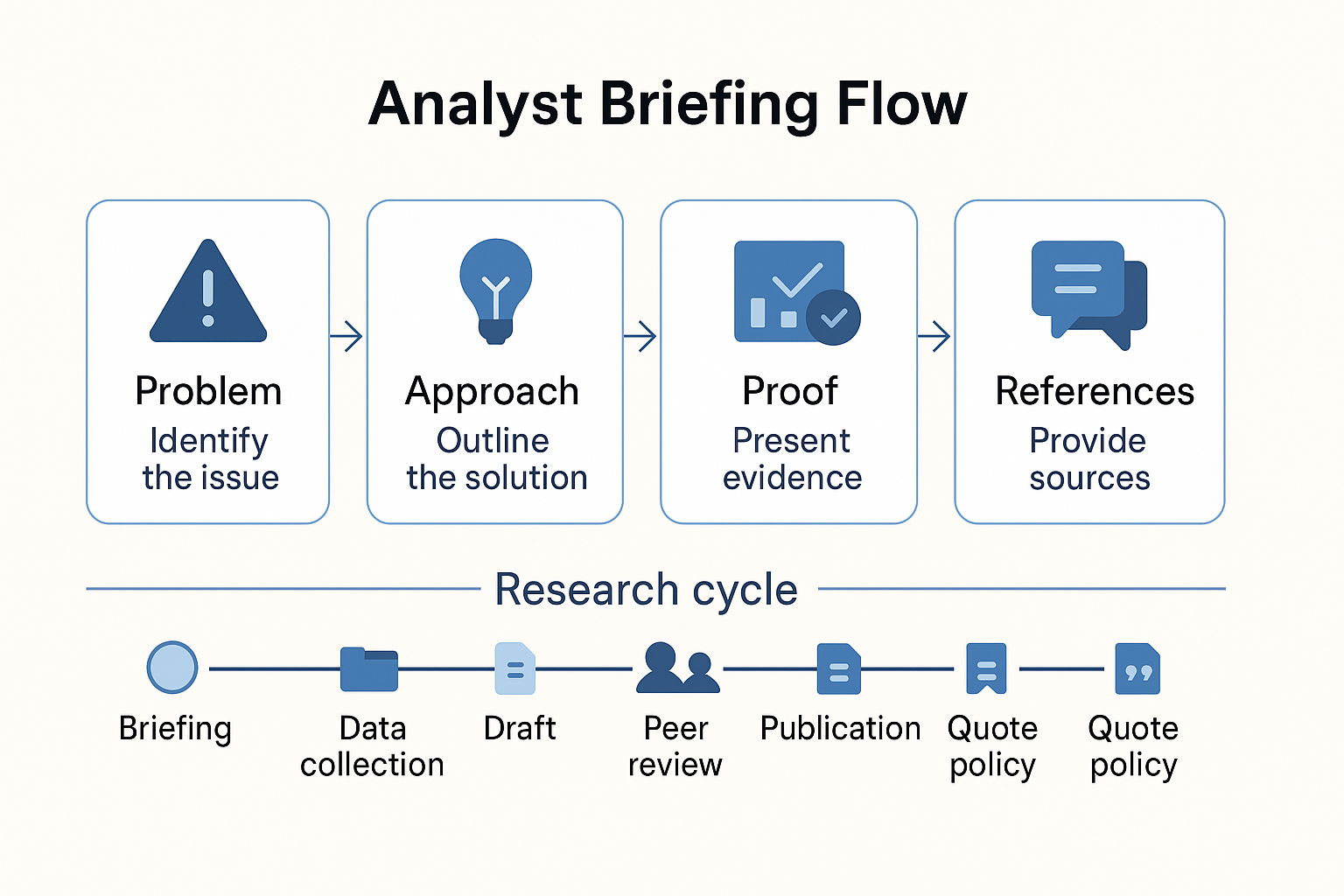
Introduction Trust is earned twice: first by what you do, then by what others say you did. Third‑party validation converts your internal wins into external... Continue reading
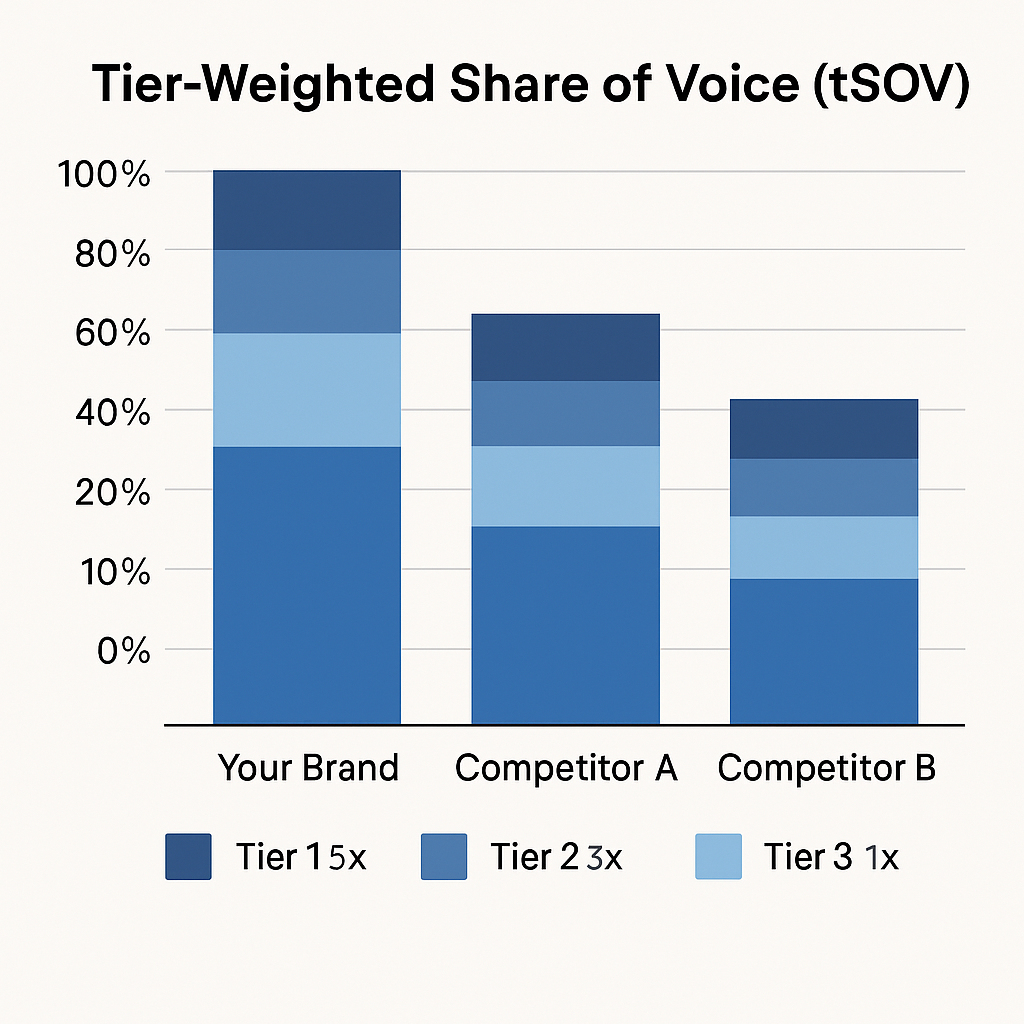
Introduction Mentions are not meaning. A hundred low‑quality clips can’t match a single, credible story that moves how people think and act. If your reporting... Continue reading
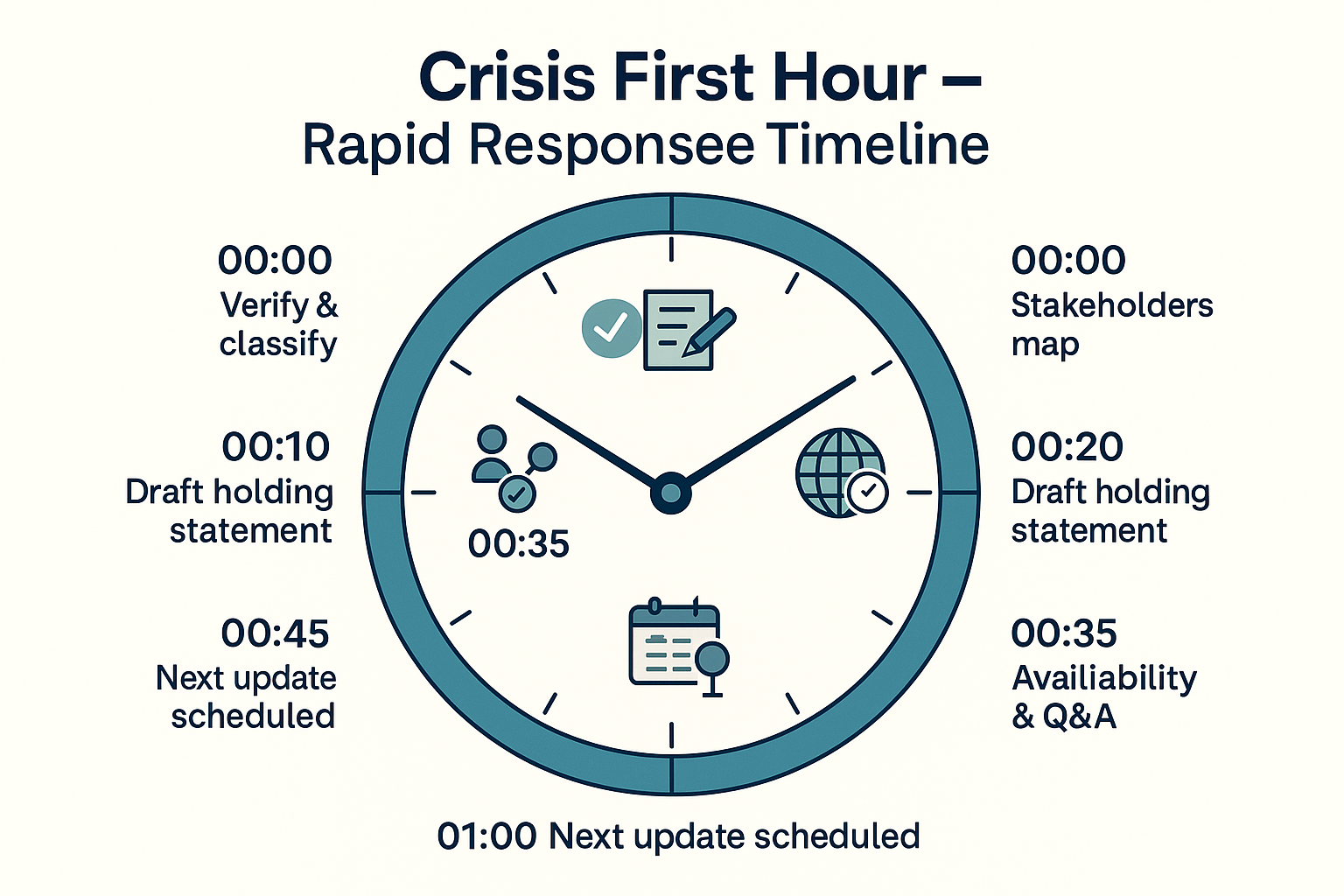
Introduction Real crisis communications starts long before the incident. On calm days you design the system—roles, channels, templates, and proof—so on hot days you can... Continue reading
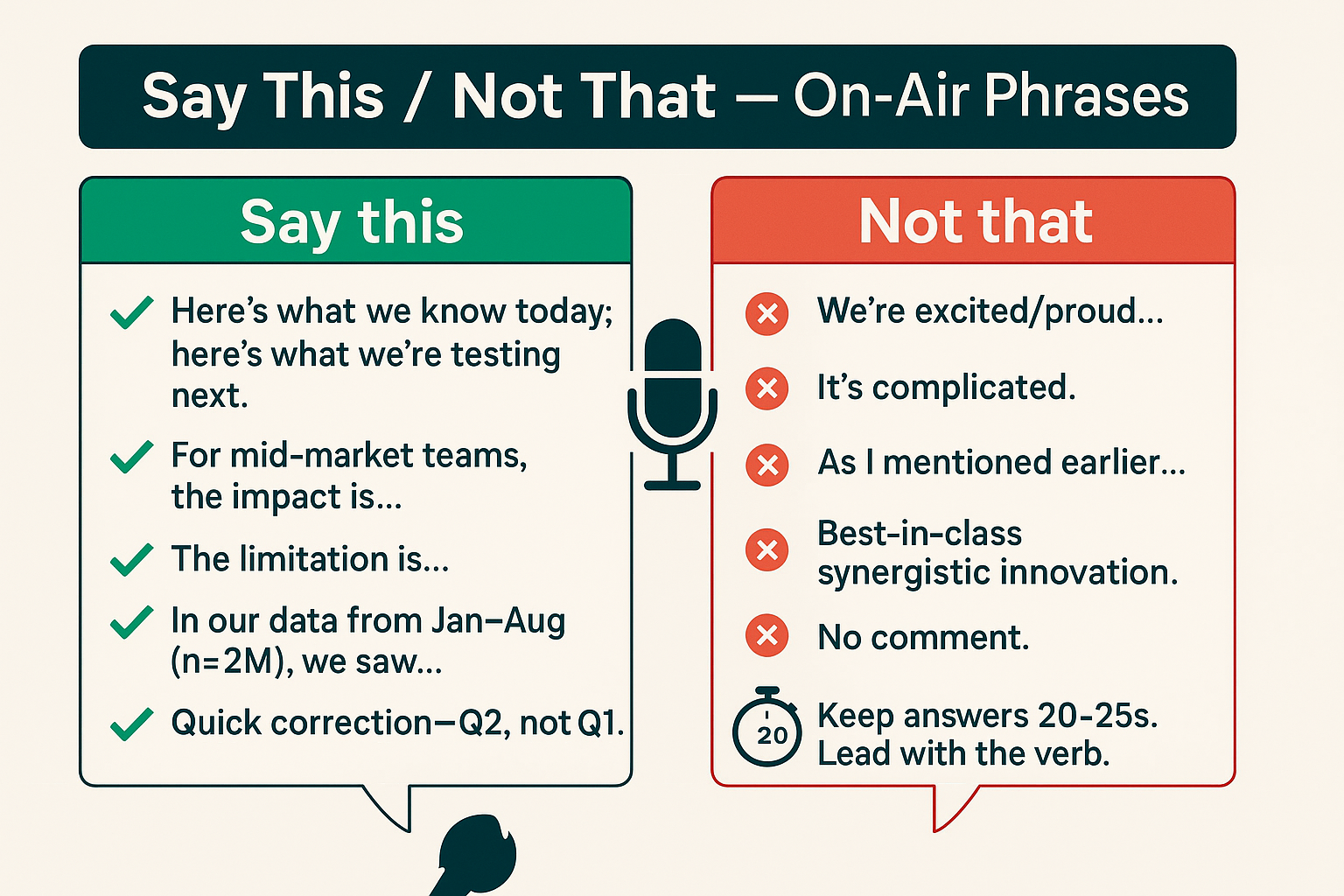
Introduction Media interviews aren’t exams you “pass.” They’re collaborations: the reporter needs a clear, verifiable story; you need your core messages to survive the edit.... Continue reading
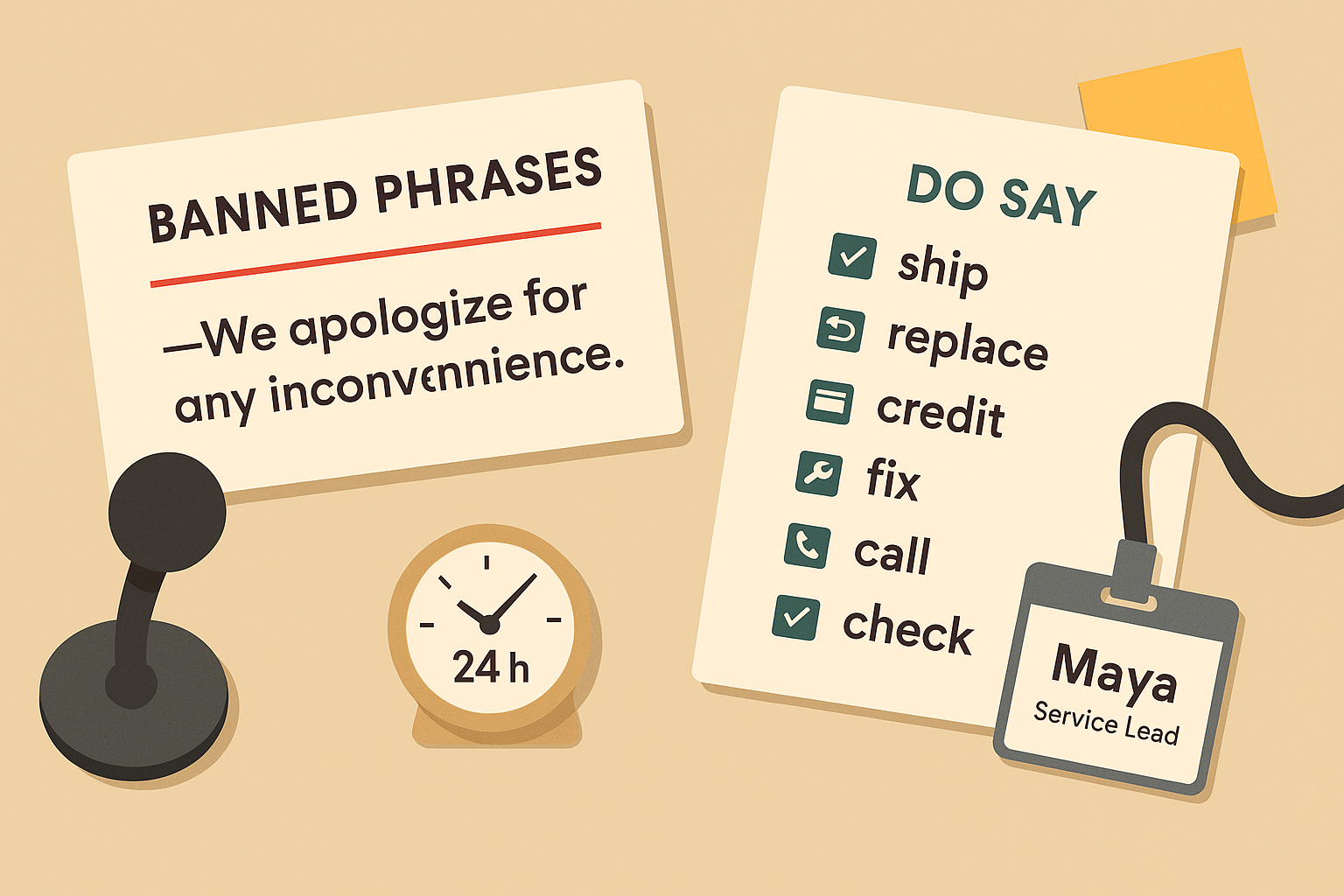
Introduction Most brands handle reviews like a compliance chore: mass emails, generic replies, five emoji hearts. Customers—and editors—can spot the script a mile away. Robotic... Continue reading
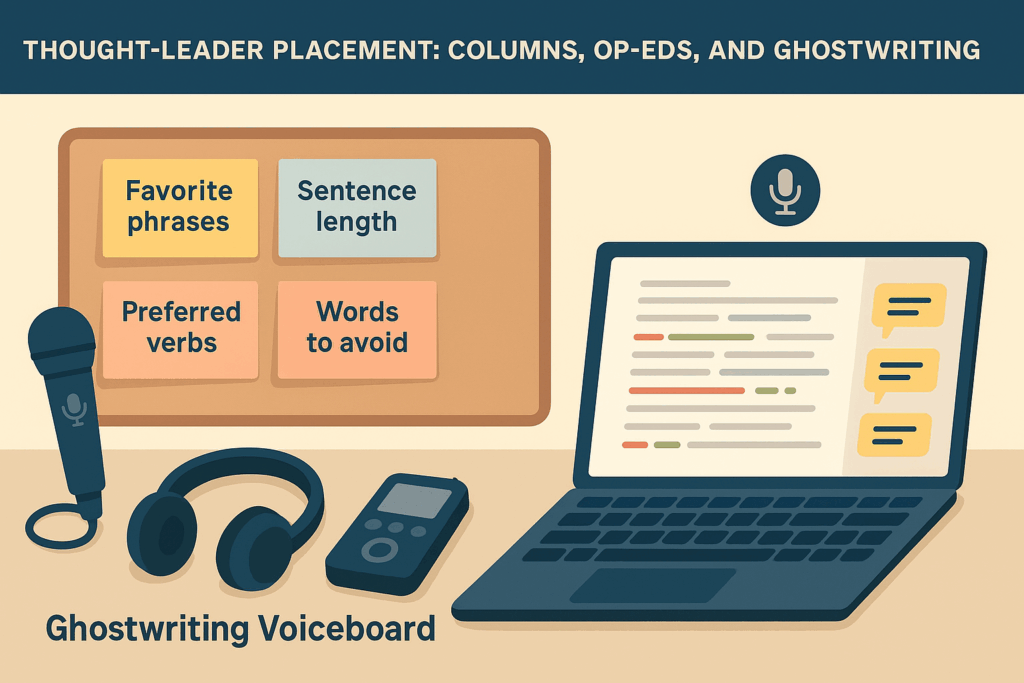
Introduction Columns and op‑eds still shape agendas—when they are timely, argued with evidence, and written in a human voice. The problem: most brand “thought leadership”... Continue reading
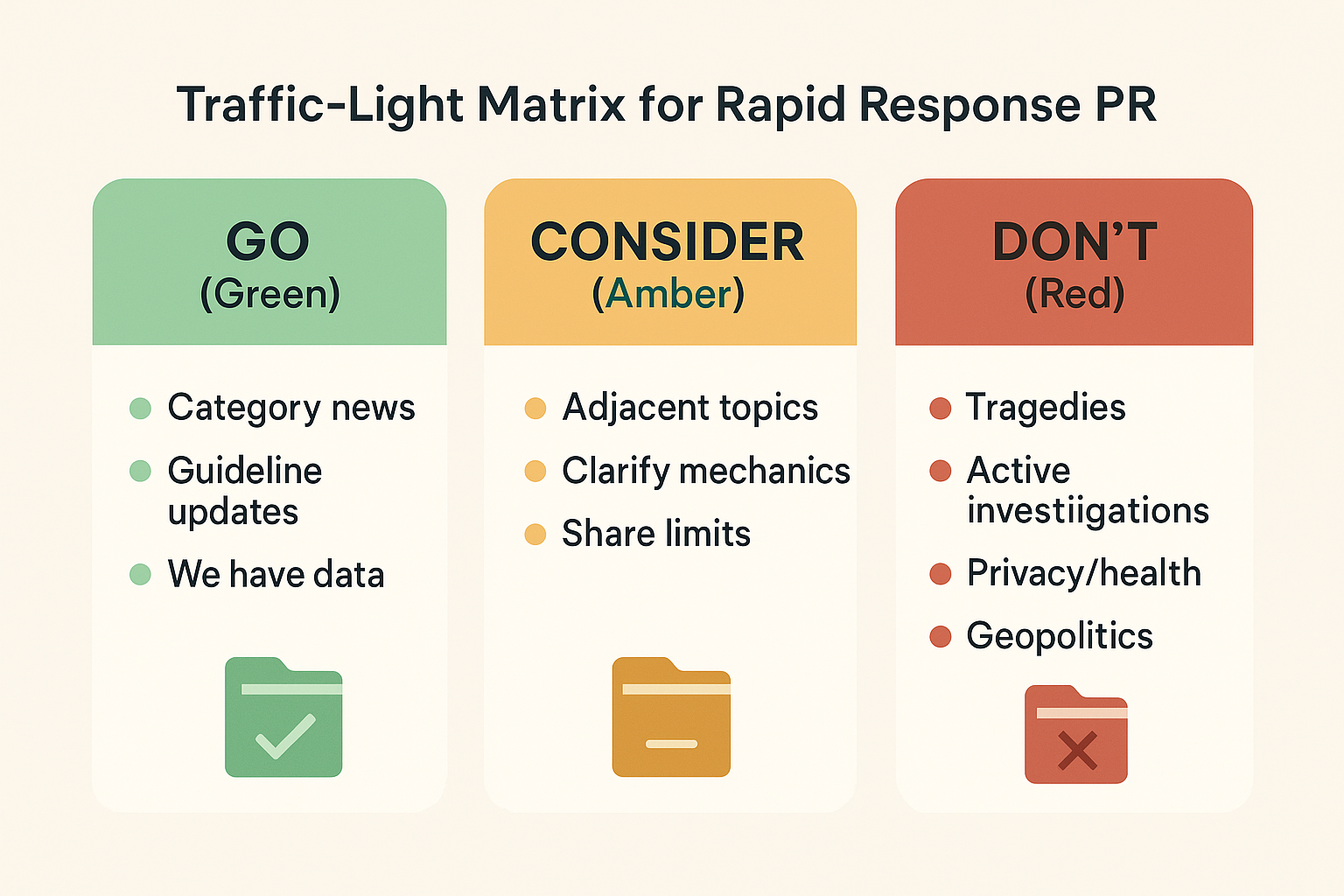
Introduction Speed helps, substance wins. In fast news cycles, many brands scramble to “say something” and end up newsjacking—pushing irrelevant or opportunistic takes into sensitive... Continue reading

Introduction Journalists don’t wake up looking for your brand. They wake up looking for stories that are timely, relevant to their audience, evidence‑backed, and easy... Continue reading

Introduction Editors don’t buy features—they buy stories. The most common reason pitches get ignored is that the “news” reads like a changelog, not a narrative.... Continue reading