
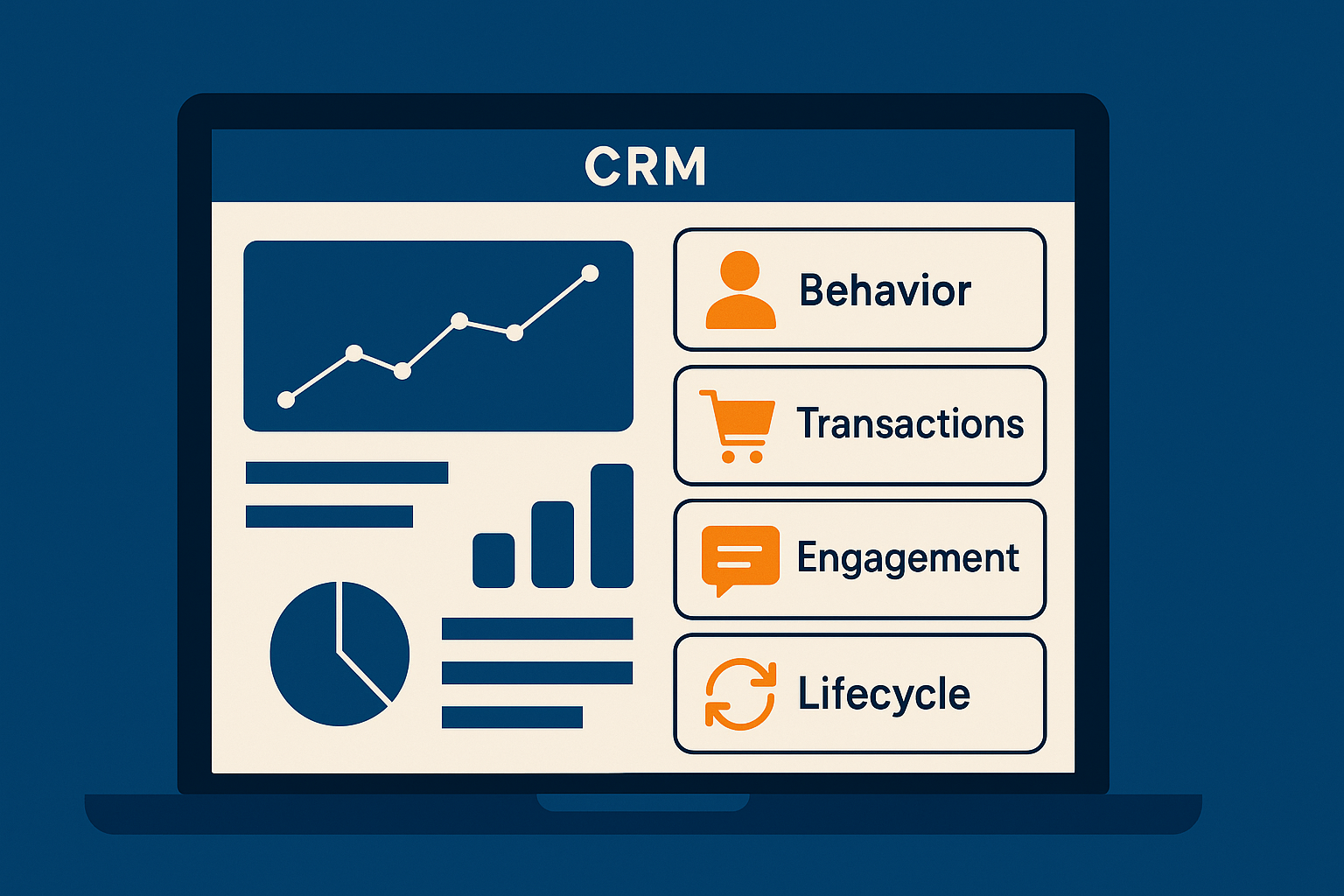
Customer Relationship Management (CRM) platforms have evolved from contact databases into powerful engines of growth. Yet many organizations still treat them as digital Rolodexes, logging names and emails without designing for long-term monetization. In 2025, competitive advantage comes from intentional CRM data design — knowing what to capture today so you can activate, segment, and monetize tomorrow.
Why CRM Data Design Matters
Every email, campaign, or sales play depends on data quality. Bad or incomplete inputs mean poor personalization, weak segmentation, and missed revenue opportunities. But this isn’t about hoarding as much data as possible — it’s about designing a framework around monetizable signals.
The Core Categories to Track
1. Firmographic & Demographic Data
While not the endgame, basics still matter. For B2B: company size, industry, revenue. For B2C: age, location, household size. These provide the scaffolding for more meaningful layers.
2. Behavioral Data
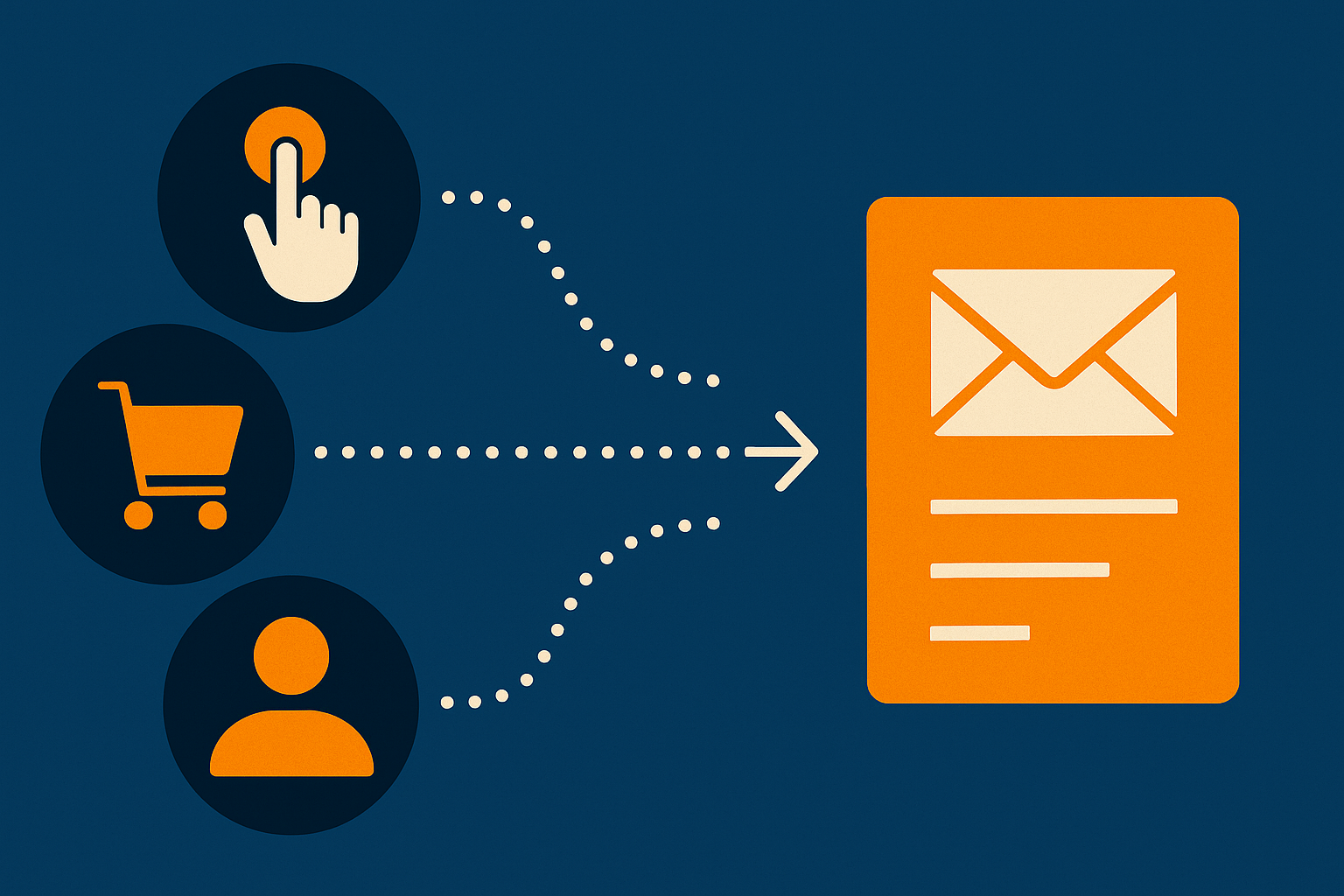
Actions tell more than attributes. Track:
- Site visits and page depth.
- Email opens and clicks.
- Webinar registrations and attendance.
- App usage frequency and features explored.
Behavior becomes the foundation for intent scoring.
3. Transactional Data
Purchases, upgrades, renewals, and cancellations reveal willingness to pay and churn risk. Patterns here drive upsell, cross-sell, and retention strategies.
4. Engagement Signals
Likes, shares, comments, survey responses, or community activity. These qualitative signals are critical for advocacy plays and customer-led growth.
5. Lifecycle Stage
Knowing whether a contact is a lead, active user, churned customer, or advocate ensures the right message hits at the right time.
Designing for Monetization
The mistake most companies make is waiting until they “need” revenue to start building these fields. By then, the data is incomplete or inconsistent. Instead, design your CRM now with monetization in mind:
- Standardize fields across marketing and sales.
- Automate capture points (web forms, integrations, product usage logs).
- Align fields with your future offers — if you plan to upsell by company size, track it now.
From Data to Dollars
CRM data is not valuable on its own — value emerges when it fuels monetization plays:
- Segmentation: Build micro-campaigns tailored to behavior and lifecycle.
- Personalization: Serve messages that match customer needs, not averages.
- Forecasting: Predict pipeline and revenue based on real signals, not guesswork.
Case Example
A SaaS company restructured its CRM around behavior and lifecycle data. Instead of just knowing job titles, it tracked product usage frequency and milestone completions. Within a year, upsell campaigns targeting high-usage accounts generated 25% more revenue, while early churn detection saved six figures in lost contracts.


Add comment