
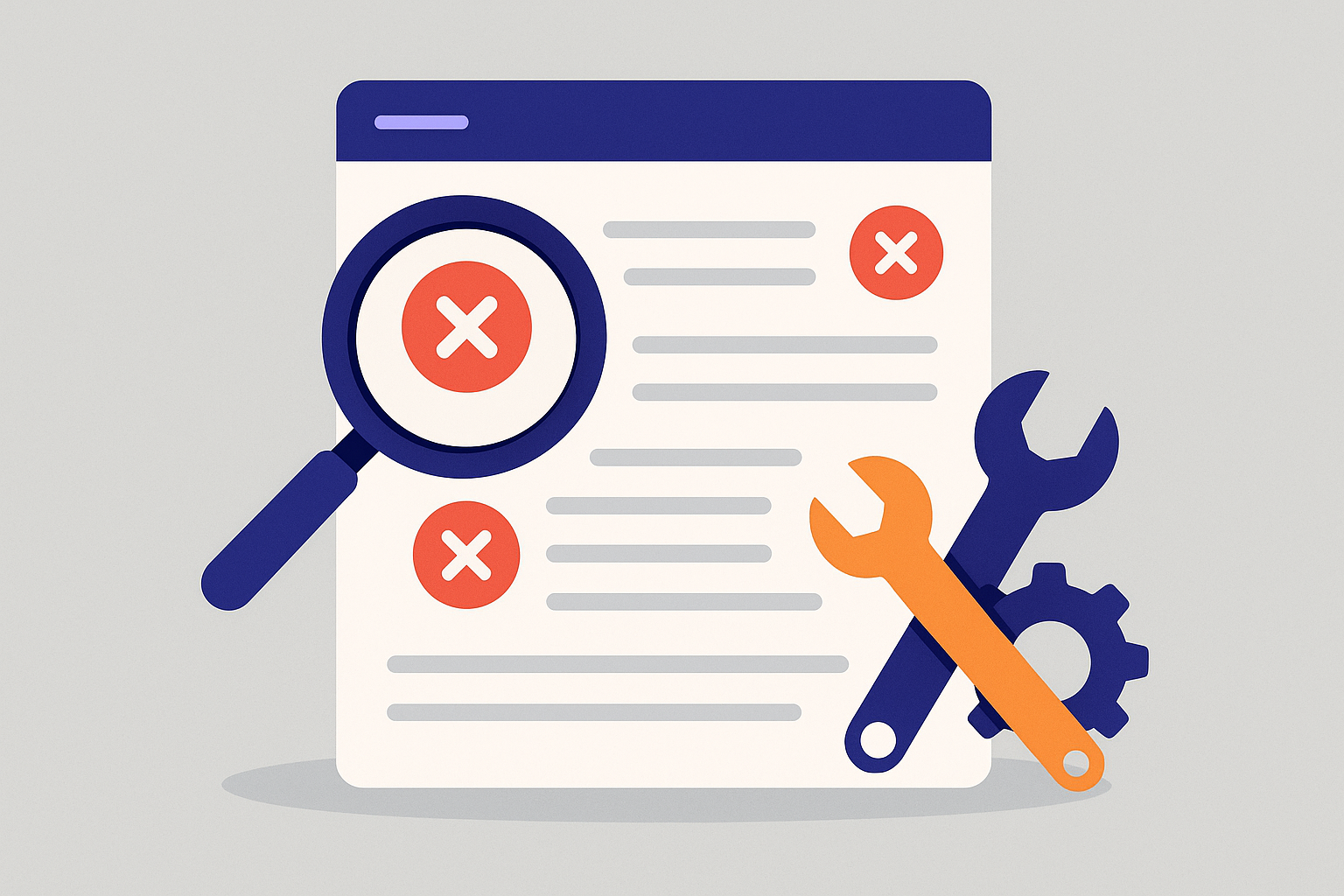
Every marketer has faced it: you inherit a site that’s a technical nightmare. Pages crawl slowly, broken links lurk everywhere, analytics are a mess, and no one can tell what’s actually indexed. The temptation is to fix everything at once. But technical SEO doesn’t work like that.
The key is triage — knowing what to fix first for maximum impact. By approaching technical SEO like an emergency room doctor, you stabilize the site, restore function, and then build long-term health.
Why Triage Matters
- Resources Are Limited: Few teams have the budget to rebuild a site from scratch.
- SEO Compounds: Early fixes on crawlability and indexing accelerate the results of future improvements.
- Prioritization Builds Momentum: Stakeholders see progress when the most urgent problems are solved first.
The Three Phases of SEO Triage
1. Life-or-Death Issues (Fix Immediately)
These prevent search engines from accessing or trusting your site.
- Robots.txt blocking critical sections.
- Accidental noindex tags.
- Server errors (5xx) and broken redirects.
- HTTPS/security issues.
Without fixing these, nothing else matters — your site can’t be crawled or trusted.
2. Functionality Issues (Stabilize the Patient)
Once Google can crawl, you need to ensure usability.
- Slow page speed and Core Web Vitals failures.
- Broken internal links and chains of redirects.
- Duplicate content caused by parameterized URLs.
- Poor mobile rendering.
These issues frustrate users and dilute ranking signals.
3. Optimization Opportunities (Rehab and Growth)
Now you refine for competitive advantage.
- XML sitemaps and structured data.
- Canonicals and pagination fixes.
- Image compression and lazy loading.
- Internal linking and hierarchy clean-up.
This phase builds resilience and scalability.
Tools for Fast Diagnosis
- Google Search Console: Crawl errors, coverage issues.
- Screaming Frog: Broken links, duplicate pages, redirects.
- PageSpeed Insights / Lighthouse: Speed and UX.
- Log File Analysis: How search engines actually crawl your site.
Case Example
A B2B SaaS inherited a 5,000-page site with traffic in freefall. By triaging:
- Fixed robots.txt that was blocking key pages.
- Cleaned up 1,200 broken links.
- Improved page load time from 5.6s to 2.1s.
Within 3 months, impressions doubled and conversions climbed — before a single new blog was published.
Final Thought
Technical SEO isn’t glamorous, but it’s the foundation. Without triage, you risk spreading effort thin across cosmetic fixes while the site continues bleeding.
Approach it like an emergency: stabilize, restore function, then optimize. The fastest growth comes not from doing everything, but from fixing the right things in the right order.

Add comment