
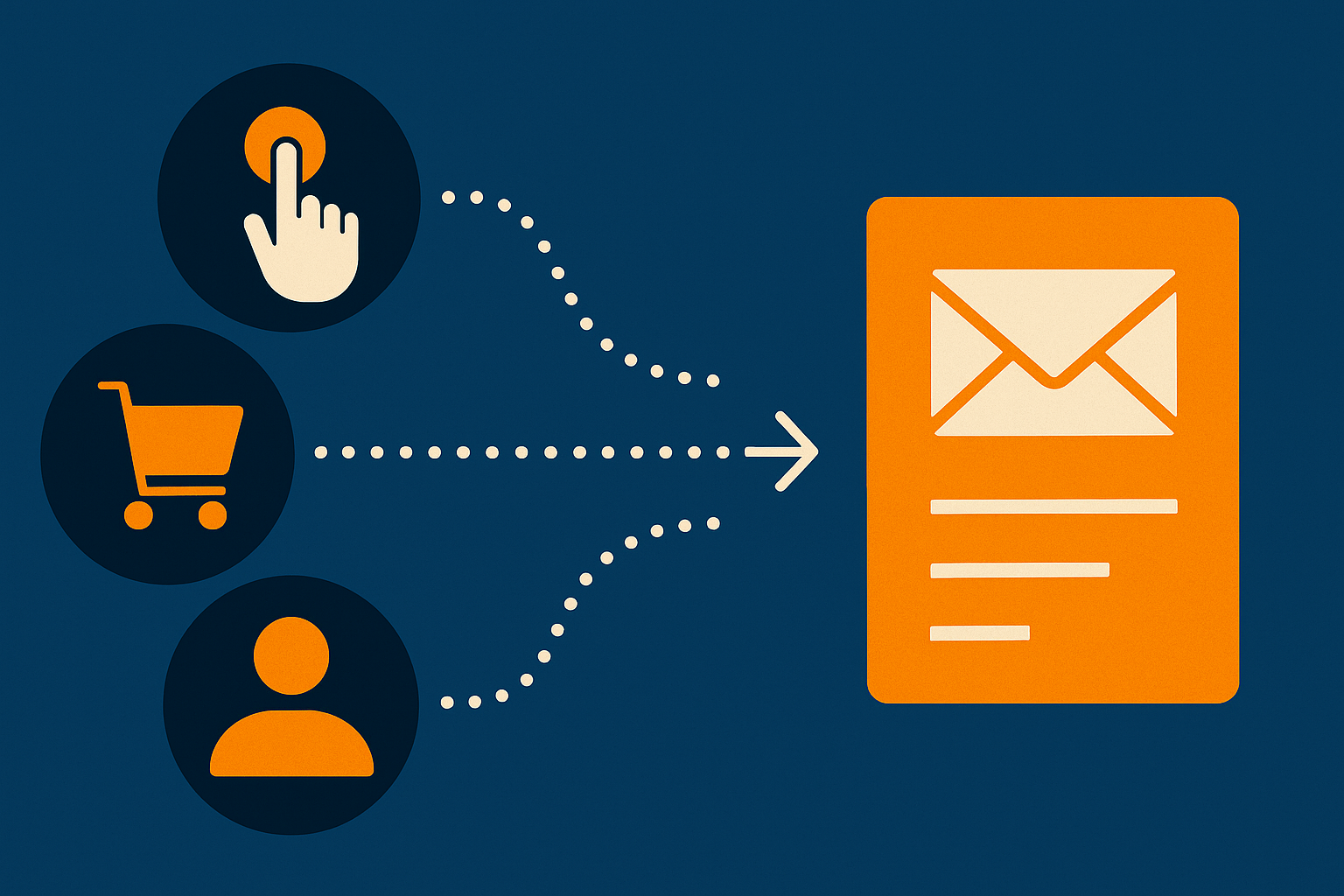
Every action your users take is a signal. A click, a scroll, a cart addition, a trial login — all of these micro-events reveal intent, timing, and context. Yet many brands still treat marketing automation as a one-size-fits-all broadcast, ignoring the real opportunities hidden in user behavior.
Trigger mapping is the discipline of turning user events into precise, relevant messages that move customers forward in their journey. Instead of guessing when to reach out, you let the customer’s actions dictate the message, the timing, and even the channel.
Why Trigger Mapping Matters
- Relevance beats volume — Users don’t want more messages, they want useful ones. Triggered communications consistently outperform batch campaigns.
- Speed of response — Acting on events in real time captures attention while intent is highest.
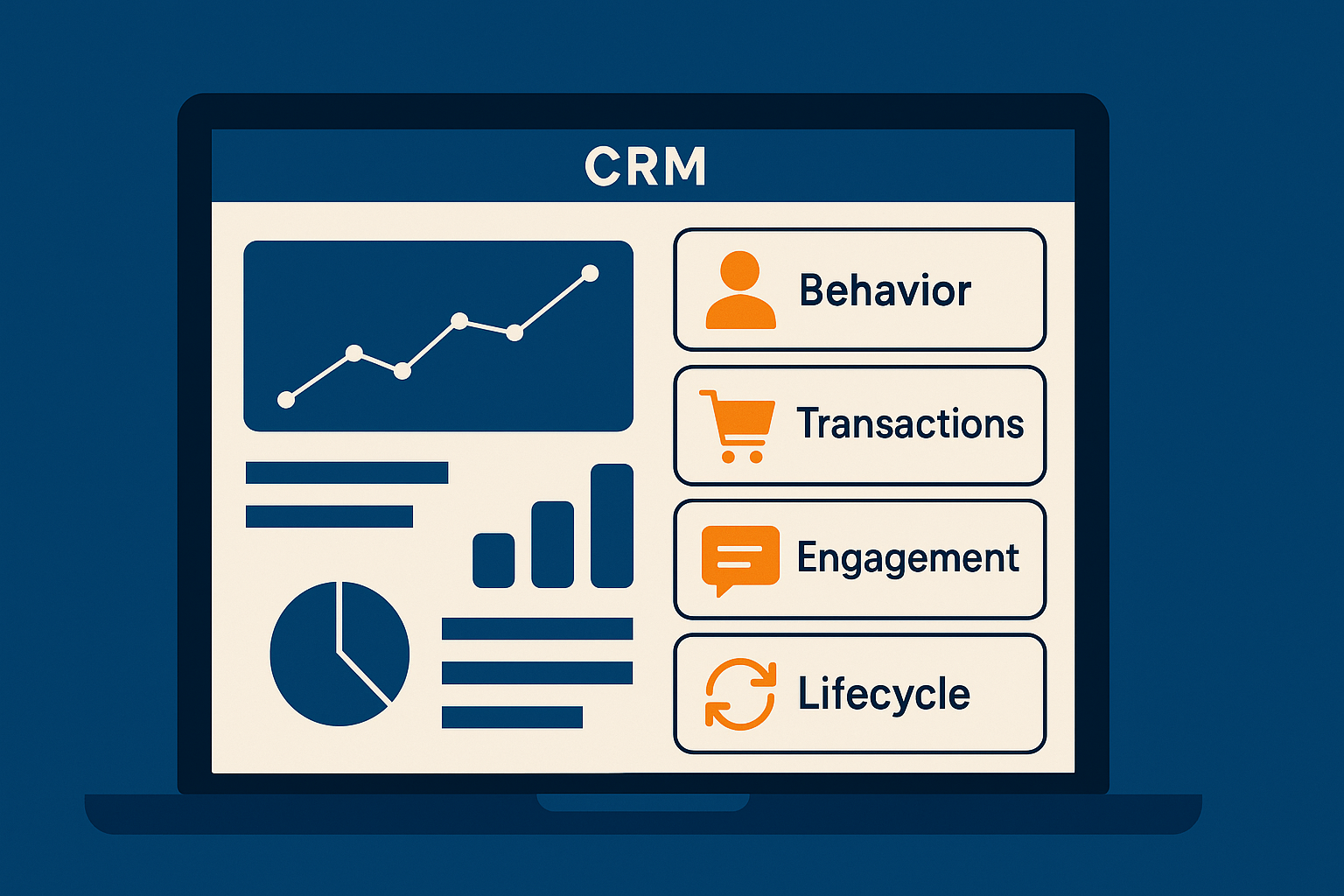
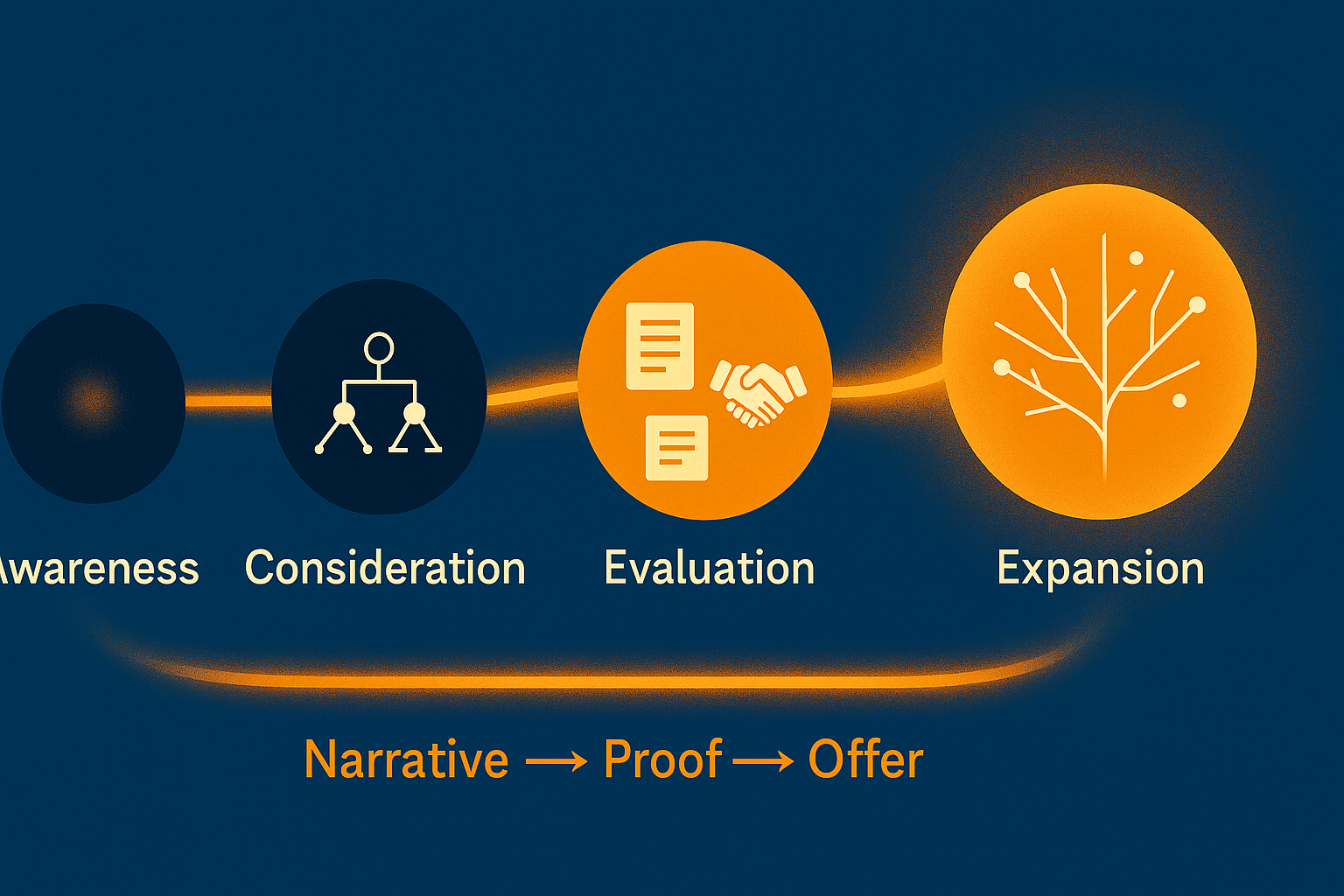
- Lifecycle alignment — Different events matter at different stages: onboarding, activation, expansion, or win-back. Mapping ensures the right moment meets the right message.
The Core Steps of Trigger Mapping
1. Identify Events That Matter
Not every click deserves a trigger. Focus on high-signal behaviors:
- Product usage milestones (first login, feature adoption).
- Commerce actions (abandoned cart, repeat purchase).
- Engagement cues (webinar sign-up, content download).
- Risk signals (downgrade attempt, prolonged inactivity).
2. Define the Message
Each event should translate into a specific communication outcome:
- Onboarding milestone → celebration and guidance for next step.
- Cart abandonment → reminder with context or incentive.
- Inactivity → nudge highlighting missed value.
- Upgrade action → education on premium benefits.
3. Match the Channel
Trigger success depends on meeting users where they are. Some triggers belong in email, others in-app, others as SMS or push notifications. Channel choice should balance urgency with appropriateness.
4. Map the Flow
Don’t treat triggers as isolated blasts. They should fit into sequences — for example, an abandoned cart reminder followed by a product review email if purchase is completed.
Pitfalls to Avoid
- Over-triggering: Too many messages feel like spam.
- Generic content: Even event-based messages fail if they lack personalization.
- Ignoring negative signals: Inactivity, cancellations, or declines are just as valuable as positive triggers.
Case Example
A subscription app built a trigger map around key events: trial start, first feature use, and early churn signals. By aligning messages to each, they:
- Increased trial-to-paid conversions by 30%.
- Reduced churn in the first 90 days by 15%.
- Improved user satisfaction scores through timely guidance.
Final Thought
Trigger mapping is less about automation tools and more about translation: turning behavior into dialogue. When brands build their communication playbooks around user events, they stop shouting and start conversing. That shift turns marketing from interruption into value — and that’s where long-term growth lives.


Add comment