
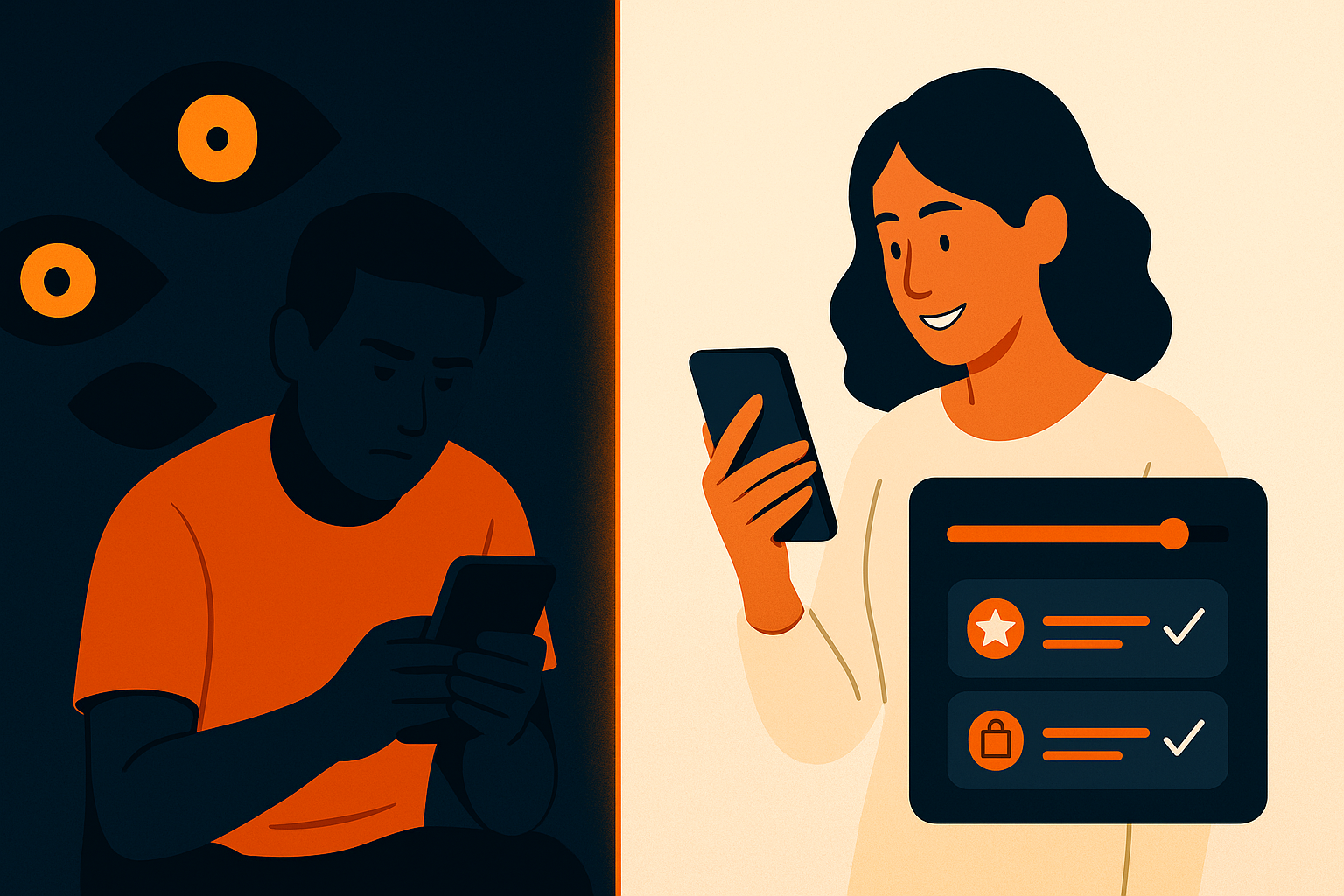
In today’s digital landscape, personalization is no longer a “nice-to-have”—it’s an expectation. Users want content, offers, and recommendations that feel designed specifically for them. Yet the line between “helpful” and “intrusive” is razor thin. Brands that cross it risk losing trust, credibility, and customer loyalty.
Hyper-personalization, when executed correctly, creates seamless, relevant experiences that increase engagement and conversion. But done poorly, it can feel manipulative—like the brand is watching too closely. The challenge is to deliver precision without paranoia.
Why Personalization Fails
Many personalization strategies fail for three reasons:
- Overreliance on demographics – Just because two people share an age or location doesn’t mean they want the same content.
- Creepy triggers – Referring to sensitive behaviors or data points (like “We saw you at the coffee shop on 7th Ave”) erodes trust instantly.
- Lack of transparency – Users don’t understand how you know what you know, making the experience unsettling.
Principles of Non-Creepy Hyper-Personalization
To design personalization that strengthens relationships rather than strains them, follow three core principles:
- Context over surveillance
Use context from interactions with your brand (searches on your site, prior purchases, support tickets) rather than external behavioral tracking. - Progressive profiling
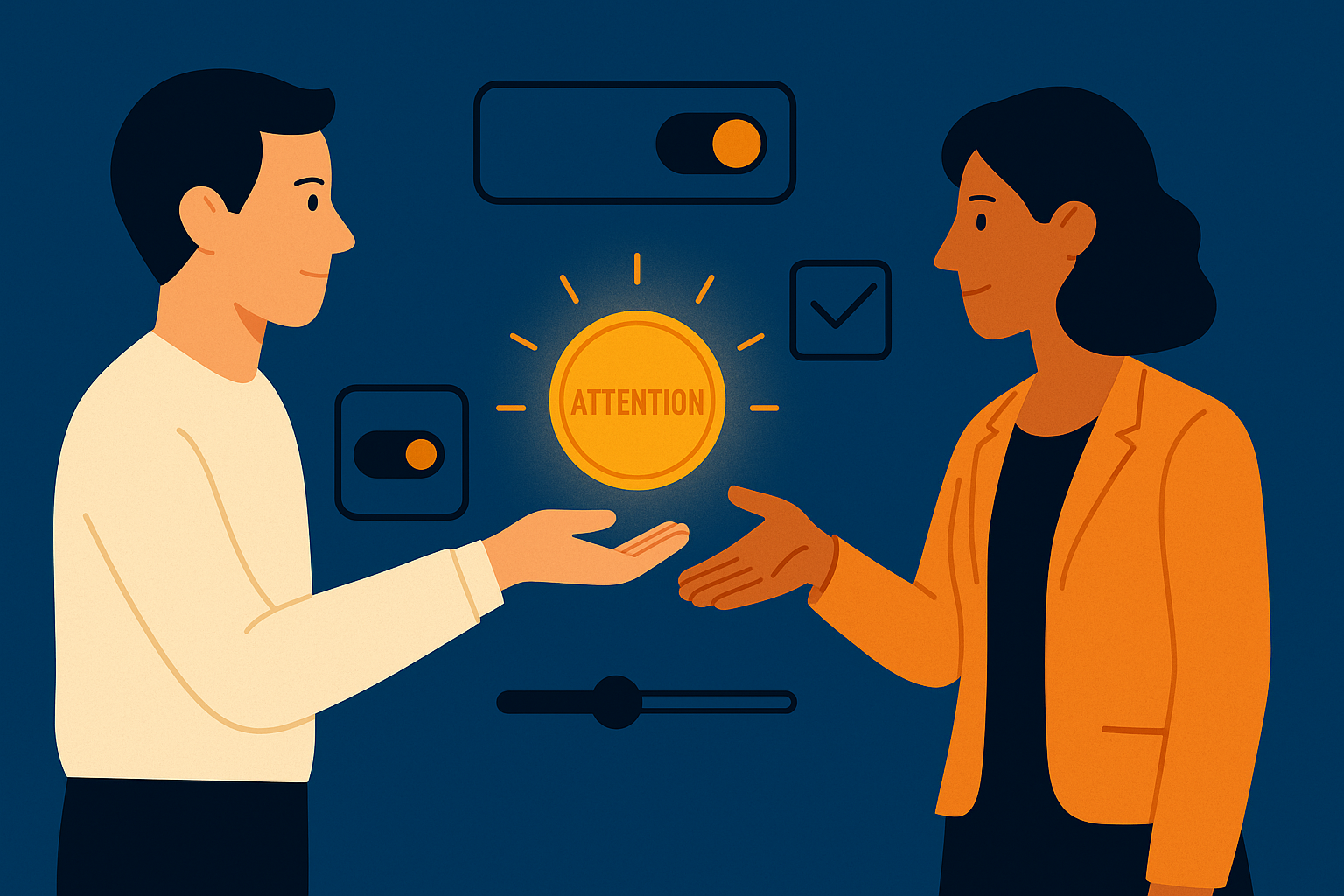
Collect data gradually, giving users clear benefits for sharing more. Transparency builds comfort, and comfort builds permission. - Value-led personalization
Always ask: “Does this piece of personalization add clear value for the user?” If it doesn’t, it’s noise—or worse, creepy.
Practical Tactics for Safe Hyper-Personalization
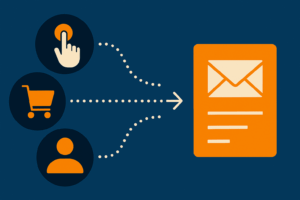
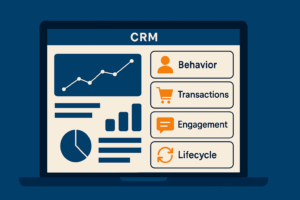
- Behavioral Clustering: Group users by shared actions, not assumptions.
- Choice Architecture: Let users set their own preference boundaries.
- Contextual Recommendations: Base suggestions on the current moment (e.g., “Because you just finished Module 2…”).
- Explain the Why: When serving personalized experiences, explain how they were created (“Recommended because you subscribed to X”).
Case Study Example
A SaaS platform shifted from demographic-based messaging (“For marketing managers in New York”) to behavior-driven messaging (“Because you’ve launched 3 campaigns this quarter, here’s an automation tip”). The result:
- 27% higher email open rates
- 40% increase in upsell conversions
- Zero unsubscribe complaints about “too much personalization”
The difference wasn’t in the data used, but in the framing and relevance.
The Future of Hyper-Personalization
As AI and predictive analytics evolve, personalization will only become more granular. But the brands that win won’t be the ones who know everything. They’ll be the ones who can say:
- “We know enough to be helpful.”
- “We respect what you don’t want to share.”
- “We add value every time we engage.”
Hyper-personalization without creepiness isn’t about scaling surveillance—it’s about scaling empathy.


Add comment