
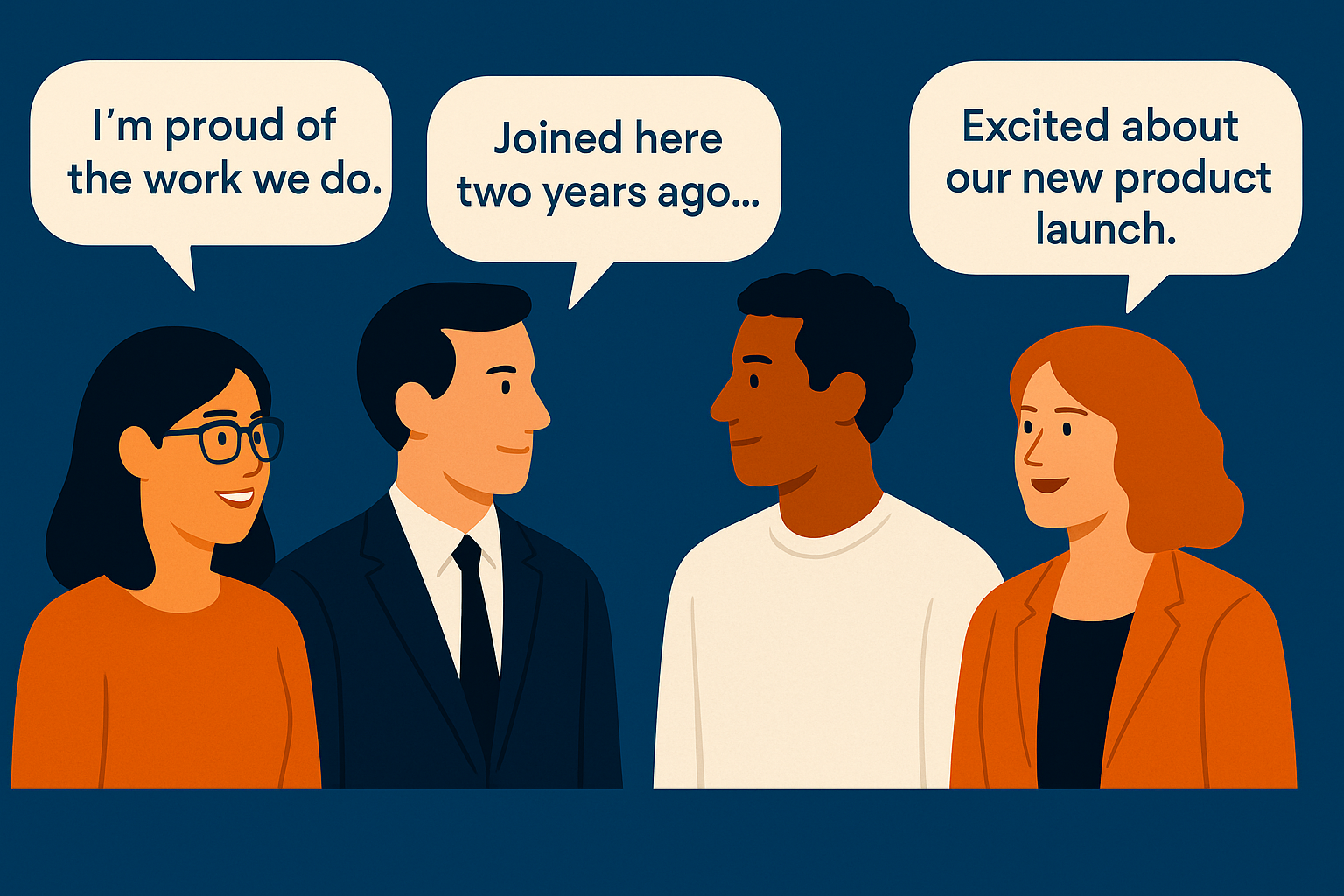
When most brands think about employee advocacy, they imagine pre-approved posts, canned hashtags, and scripted talking points. The intent is good—amplify reach by turning staff into advocates. But the execution often backfires. Employees become megaphones instead of voices. The result? Content that feels inauthentic and rarely earns engagement.
Employee-led advocacy that works isn’t about scripts—it’s about enabling employees to share in their own language, on their own terms.
Why Scripted Advocacy Fails
- It feels robotic
Audiences can tell when ten employees post the same caption with minor variations. Instead of signaling unity, it signals control. - It kills authenticity
The best advocacy comes when employees share personal stories—why they joined, what they’re learning, how they see impact. Scripts flatten these stories into bland PR. - It burns trust
If employees feel like mouthpieces, advocacy becomes a chore, not a privilege.
A Better Model: Empower, Don’t Script
Shifting from scripted advocacy to authentic employee-led advocacy requires a new operating model:
1. Content Libraries, Not Copy-Paste Scripts
Provide employees with a menu of assets—images, stats, research, case studies. Let them choose what resonates, then write in their own words.
2. Story Prompts, Not Talking Points
Prompts spark creativity without forcing uniformity. Example:
- “What’s one project this week you’re proud of?”
- “How has working here changed how you think about X?”
These open the door to diverse, authentic voices.
3. Training on Digital Presence
Most employees aren’t trained marketers. Help them learn how to tell stories, use visuals, and engage professionally online—without dictating exact wording.
4. Recognition Over Enforcement
Instead of policing whether employees post, recognize and celebrate those who do. Advocacy spreads when people see peers rewarded, not reprimanded.
Building Advocacy Into Culture
True employee advocacy is cultural, not procedural. It comes from employees who:
- Believe in the mission and want to share it.
- Feel safe expressing their perspective.
- See leaders modeling behavior by posting authentically themselves.
Brands that succeed treat advocacy not as a program but as a reflection of organizational health. If employees won’t talk about you, it’s rarely a content problem—it’s a culture problem.
Case Example
A healthcare startup scrapped its pre-written advocacy scripts after noticing employees weren’t posting. Instead, they launched monthly storytelling prompts, hosted optional LinkedIn workshops, and created a content hub with photos, research, and customer quotes. Within six months:
- Employee share rates tripled.
- Engagement on employee posts outperformed corporate channels by 4x.
- Recruiting costs fell as candidates cited “employee posts” as their entry point.
Final Thought
Employee-led advocacy without scripts is both scarier and more rewarding. Scary, because you can’t control every word. Rewarding, because authenticity compounds trust in ways scripted posts never can.
The future belongs to brands that trust their employees enough to let them speak for themselves—not as echo chambers, but as individuals whose stories add up to something bigger.



Add comment