

For most companies, product documentation lives in a quiet corner of the website — hidden behind support portals, stripped of personality, and optimized only for existing users. But in a world where buyers educate themselves before ever speaking to sales, documentation is one of the most underutilized assets in the SEO toolkit.
The idea of Docs-as-SEO flips the script: instead of treating documentation as a support cost center, treat it as a demand-generation engine. Done right, it becomes a magnet for search visibility, a trust-builder for prospects, and a differentiator in crowded markets.
Why Documentation Is SEO Gold
- High-Intent Queries
Prospective customers Google things like “how to integrate CRM with Slack” or “API for healthcare credentialing.” Those are not broad awareness searches — they are buying signals. If your docs answer them, you intercept demand at the perfect moment. - Evergreen Content
Unlike blog posts that can date quickly, documentation evolves alongside the product. When structured well, it remains relevant for years. - Authority Through Specificity
Search engines reward detailed, accurate, and niche content. No one knows your product’s specifics better than your docs team.
Turning Docs Into Demand Engines
1. Open Up, Don’t Hide
Make documentation indexable and accessible. Too many companies gate docs behind login walls, losing organic opportunities.
2. Structure for Humans and Crawlers
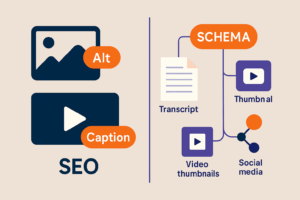
Use clear H1/H2s, schema markup, and breadcrumb navigation. Each doc should function as a standalone landing page.
3. Align With Search Intent
Map doc topics to query patterns:
- “How to…” → integration guides.
- “What is…” → conceptual overviews.
- “Best way to…” → comparative workflows.
4. Add Contextual CTAs
Docs shouldn’t be dead ends. Add subtle prompts: “Need help implementing this? Talk to our team” or “See how other clients solved this in our case studies.”
5. Bridge Docs and Marketing
Use docs to seed blog posts, webinars, or videos. A popular integration guide can inspire a full campaign.
Common Pitfalls to Avoid
- Overly Technical Language: Remember, not all readers are engineers. Balance depth with clarity.
- Lack of Analytics: Track traffic, conversions, and drop-offs. Treat docs as part of the funnel, not just a library.
- Zero Personality: Documentation doesn’t need to be dry. A consistent tone builds brand identity.
Case Example
A SaaS company specializing in compliance APIs noticed high organic demand for “HIPAA integration with cloud storage.” Instead of just a generic FAQ, their documentation team built a full guide — complete with schema markup, code samples, and related CTAs. That one page drove 20% of inbound demo requests in the quarter.
The Strategic Payoff
- Increased Visibility: Documentation captures high-intent, long-tail searches.
- Shorter Sales Cycles: Prospects arrive informed, having already engaged with real workflows.
- Brand Authority: Helpful, open documentation differentiates you from opaque competitors.
Final Thought
Documentation is no longer just for existing users. In 2025, it’s one of the most authentic ways to show expertise, capture demand, and feed your SEO ecosystem.
Treat your docs as product marketing, not just product maintenance — and watch them generate demand you never knew you were missing.






Add comment