

SEO isn’t static. Even if your page ranks today, tomorrow the search engine results page (SERP) may look completely different. Algorithms shift, competitors adapt, and — most importantly — user intent evolves.
This phenomenon is called search intent drift: when the dominant reason people search for a query changes, leaving once-relevant pages behind. For brands and publishers, recognizing this drift is essential to maintaining topical authority and traffic.
What Is Search Intent Drift?
Imagine you ranked for “remote work tools” in 2020. Back then, people wanted Zoom, Slack, and project management platforms. But by 2024, intent shifted: now searchers might want AI collaboration assistants or hybrid workplace policies. Same query — new intent.
When SERPs move on, old content becomes misaligned, even if it’s optimized perfectly.
Why Intent Drift Happens
- Cultural Shifts
The pandemic, AI adoption, or regulatory changes can alter how people frame questions. - Technology Innovation
New tools or platforms redefine what “best” or “top” results should highlight. - Content Saturation
As more sites publish, Google may surface different angles to satisfy evolving needs. - Algorithmic Priorities
Search engines themselves re-balance SERPs to favor freshness, expertise, or new formats (videos, forums, AI answers).
Signals That a SERP Has Drifted
- Mismatch Between Your Page and Top Results
If all new results emphasize “AI features” and your page doesn’t, the SERP has shifted. - Declining CTR Despite Stable Rankings
You still rank, but users don’t click because your framing feels outdated. - High Bounce Rates
Visitors land but leave quickly when they don’t see the updated angle. - Content Format Changes
If video, Q&A, or forum content dominates the SERP, Google is responding to new user behaviors.
How to Detect and Respond
1. SERP Audits
Regularly check not just your rank, but what the composition of the SERP looks like. What themes dominate? What formats appear?
2. Compare With User Data
Analyze on-site search, support tickets, and sales calls. Are the questions evolving?
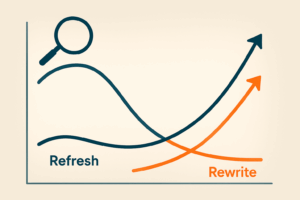
3. Refresh, Don’t Just Rewrite
Bring your page into alignment with the new dominant intent. Add sections, examples, or assets that match.
4. Build Flexibility Into Content
Use modular structures where you can easily update intros, frameworks, or sections without starting over.
5. Track Intent Over Time
Set a quarterly review cadence for your most valuable queries. Intent drift is gradual but measurable.
Example in Action
A fintech brand ranked for “business credit cards for startups.” Initially, SERPs emphasized rewards. Within a year, the SERP shifted toward expense management integrations. Their old article slipped, but after updating with integrations and API examples, rankings and CTR bounced back.
Final Thought
Winning SEO isn’t just about capturing intent — it’s about tracking when intent changes.
By treating SERPs as living ecosystems and adapting content accordingly, brands can stay ahead of drift instead of being left behind.





Add comment