

For years, programmatic SEO has been associated with bloated landing pages, templated text, and thin content that exists solely to game algorithms. But when done right, programmatic SEO can become one of the most scalable, high-leverage growth channels for modern brands. The difference comes down to intent, quality, and guardrails.
Why Programmatic SEO Matters
- Scalability: Instead of publishing ten pages, you can generate thousands of pages mapped to real user queries.
- Coverage: It lets you reach long-tail, intent-rich searches where competitors aren’t investing.
- Conversion Potential: When backed by data, these pages answer niche but valuable questions at scale.
But scale without strategy becomes noise. The challenge is avoiding spam while delivering true value.
Patterns That Work
- Repeatable Structures
Programmatic SEO thrives on pattern recognition. A SaaS brand can build pages around “{Tool} Alternatives,” “{Integration} with {Platform},” or “Best Tools for {Industry}.” The template is fixed, but content quality comes from how you populate it. - Entity and Schema Integration
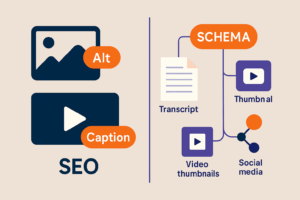
Instead of relying on keyword stuffing, pages should be structured around entities and marked up with schema to help search engines map meaning, not just words. - Content Modules, Not Copy-Paste
Use reusable content blocks (FAQs, charts, pricing snippets) that are dynamically assembled, ensuring each page feels custom-built for the query.
Data as the Backbone
Bad programmatic SEO pulls filler text from thin air. Good programmatic SEO relies on:
- Proprietary datasets (benchmarks, case studies, customer reviews).
- Public APIs (industry stats, pricing feeds, geographic data).
- Aggregated insights that update over time.
The goal: every page should contain a piece of information that is hard to replicate.
Guardrails That Prevent Spam
- Quality Thresholds
Don’t publish unless the page meets a minimum standard of depth, readability, and UX. - Canonicalization & Pruning
Use canonical tags and structured pruning to prevent duplicate or near-duplicate pages from diluting authority. - UX-First Design
Dynamic pages should load quickly, adapt to mobile, and prioritize clarity over volume. - Human Oversight
AI can generate text at scale, but editorial review ensures alignment with brand voice and factual accuracy.
Case Example
A travel platform built 25,000 pages for “Things to Do in {City}.” Instead of auto-filling fluff, they used live tourism data, curated photos, and community reviews. The result? Pages that ranked, converted, and built brand trust—all while leveraging a programmatic system.
The Strategic Payoff
- Sustainable long-tail traffic.
- Authority built through data, not duplication.
- A growth engine that scales without crossing into spam.
Final Thought
Programmatic SEO isn’t about flooding Google. It’s about turning repeatable patterns into scalable value. Brands that balance automation with authenticity will win the long-tail market — without burning trust or credibility.





Add comment