

For years, SEO strategy revolved around ranking for snippets, competing for featured answers, and optimizing page one visibility. But with Google’s Search Generative Experience (SGE) and AI-powered overviews, the game has changed. Increasingly, users see synthesized answers before they ever click through to a site.
This raises the existential question for marketers: how do you win when Google answers first?
What SGE/AI Overviews Mean for Marketers
- Click-Through Decline
If an AI-generated overview satisfies a query, fewer users feel the need to click links. - Higher Bar for Authority
AI draws from multiple sources, but highlights only those with strong credibility, clear structure, and entity-level recognition. - Shift in User Behavior
Searchers treat overviews as starting points. They scan the summary, then click through selectively for depth, proof, or tools.
How to Compete in the SGE Era
1. Become the Source AI Quotes
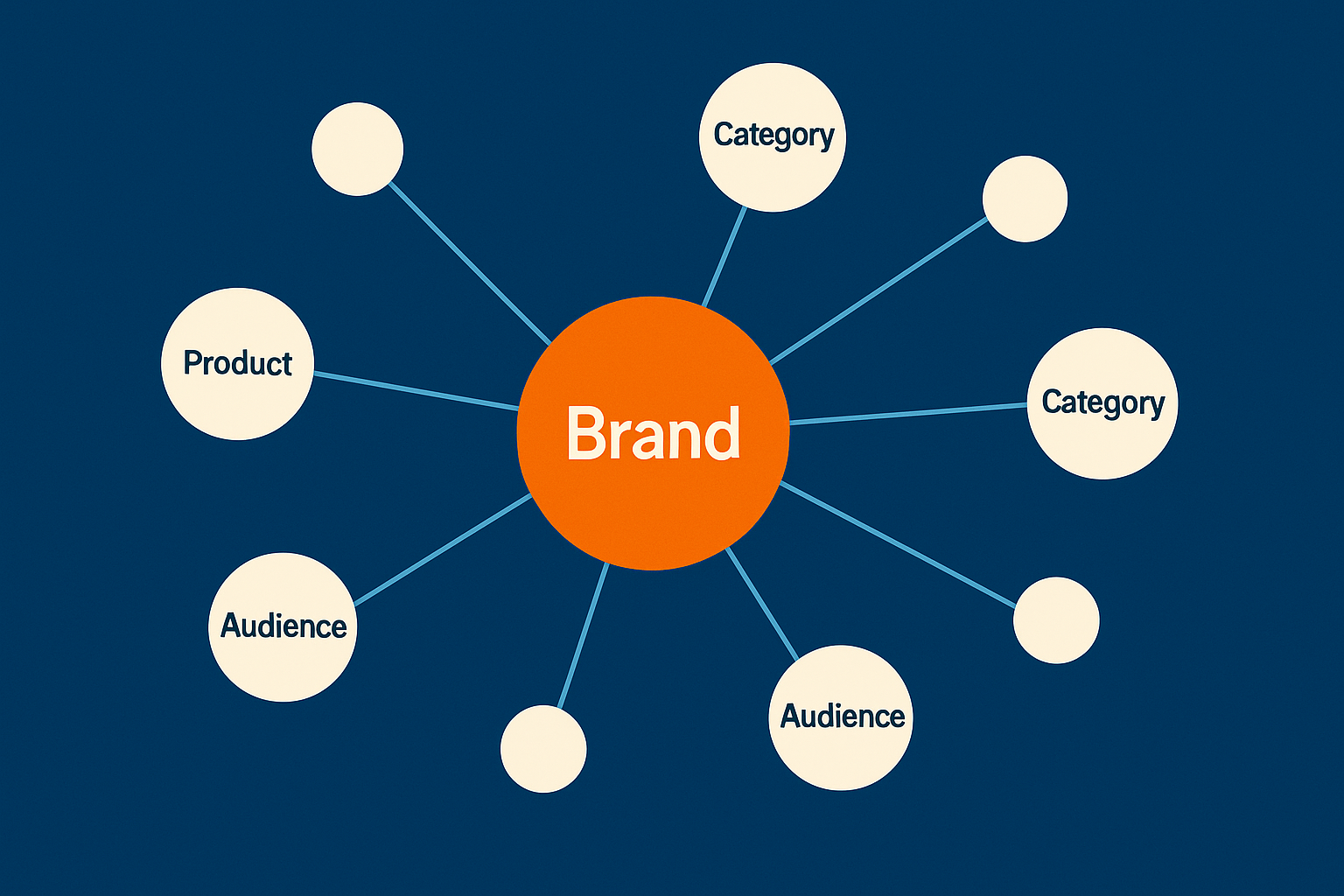
Instead of trying to outrank AI, focus on being included in its synthesis. That means:
- Clear, structured answers to core questions.
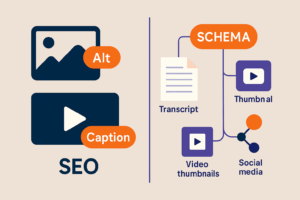
- Schema markup that defines entities and relationships.
- Consistent topical authority across your niche.
2. Go Beyond What AI Can Summarize
AI is good at surface-level answers. You win by offering depth:
- Proprietary data and benchmarks.
- Frameworks and methodologies.
- Field notes, experiments, and contrarian takes.
3. Optimize for “Second Clicks”
Users skim the overview but still need depth. Position your content as the natural next step:
- Use meta descriptions and titles that promise value beyond the summary.
- Provide downloadable assets, tools, or calculators tied to the query.
4. Focus on Experience Signals
Google increasingly rewards UX factors. Fast loading, mobile optimization, and engaging visuals help secure placements in overviews.
5. Diversify Beyond Google
Don’t build your strategy solely on organic clicks. Capture demand via newsletters, LinkedIn, and communities — channels AI can’t fully mediate.
Case Example
A cybersecurity SaaS brand noticed that AI overviews were cannibalizing clicks for “best endpoint protection software.” Instead of fighting on generic terms, they built deep content around “how to balance endpoint security with developer speed.” Google’s overview pulled their definitions and charts, and high-intent buyers clicked through to get the downloadable framework.
The Strategic Payoff
- Visibility in AI summaries.
- Trust through defensible assets AI can’t replicate.
- Pipeline resilience by owning demand outside search engines.
Final Thought
SGE and AI overviews don’t kill SEO — they raise the bar. Winning now means asking: How do we become the source Google trusts enough to summarize?
When Google answers first, the brands that thrive will be those creating data, depth, and experiences that AI can’t generate on its own.


Add comment