
Internal linking is often treated as an afterthought — a last-minute SEO checklist item to connect pages with a handful of anchor texts. But in 2025, when search engines rely heavily on entities, semantic context, and knowledge graphs, internal linking deserves product-level thinking.
When you design your internal linking strategy like a product, you move from ad-hoc connections to a scalable, intentional network that builds authority, improves user navigation, and strengthens topical ownership.
Why Internal Linking Is More Than SEO Hygiene
- Crawlability and Indexation
Internal links help search engines discover and prioritize new or updated content. - Topical Authority
A structured linking system signals to Google how topics interconnect, reinforcing your relevance. - User Experience
Readers benefit from logical journeys that deepen their understanding instead of dead-end articles.
Internal Links as a Knowledge Graph
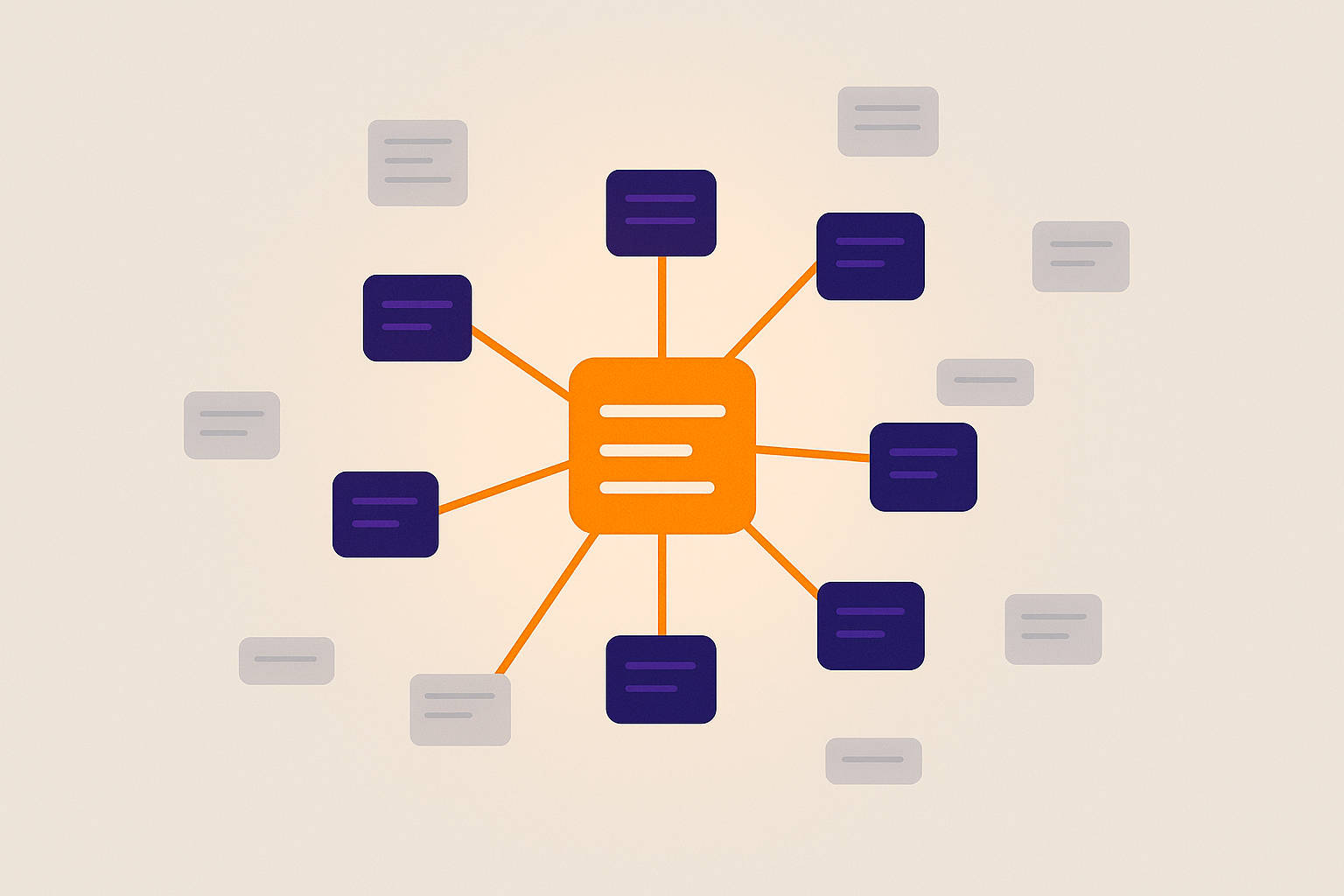
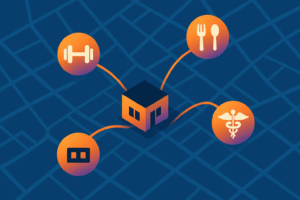
Think of your site as a living knowledge graph. Each page is a node, and every internal link is an edge. Instead of just “blog A links to blog B,” your graph should represent relationships:
- Category → Subtopic → Case Study.
- Framework → Application → Case Example.
- Beginner Guide → Intermediate Guide → Advanced Playbook.
This approach makes your site a map of meaning rather than a pile of disconnected posts.
Product-Like Design Principles
1. Define Use Cases
Treat internal links like features. What’s the job to be done? Direct readers to next steps? Build topic depth? Connect thought leadership to tools?
2. Standardize Components
Develop templates:
- Content hubs with “spoke” links.
- Related article blocks.
- CTA modules that bridge content to product pages.
3. Build Guardrails
Avoid over-linking or creating irrelevant loops. A product mindset ensures that links feel intentional, not forced.
4. Measure Success
Track not only link clicks, but also:
- Session depth.
- Pathways to conversion.
- Impact on topical rankings.
Example in Action
A B2B SaaS company rebuilt its blog into a knowledge graph. Each feature article linked to case studies, benchmarks, and how-tos. Instead of isolated posts, the site became a structured resource library. The result? 30% higher session duration and improved visibility for long-tail, entity-based searches.
Final Thought
Internal linking, done well, is not about sprinkling anchors but about designing a system of meaning. Treat it like a product: scoped, structured, measurable. Over time, your site evolves into a knowledge graph that both users and search engines trust.

Add comment