
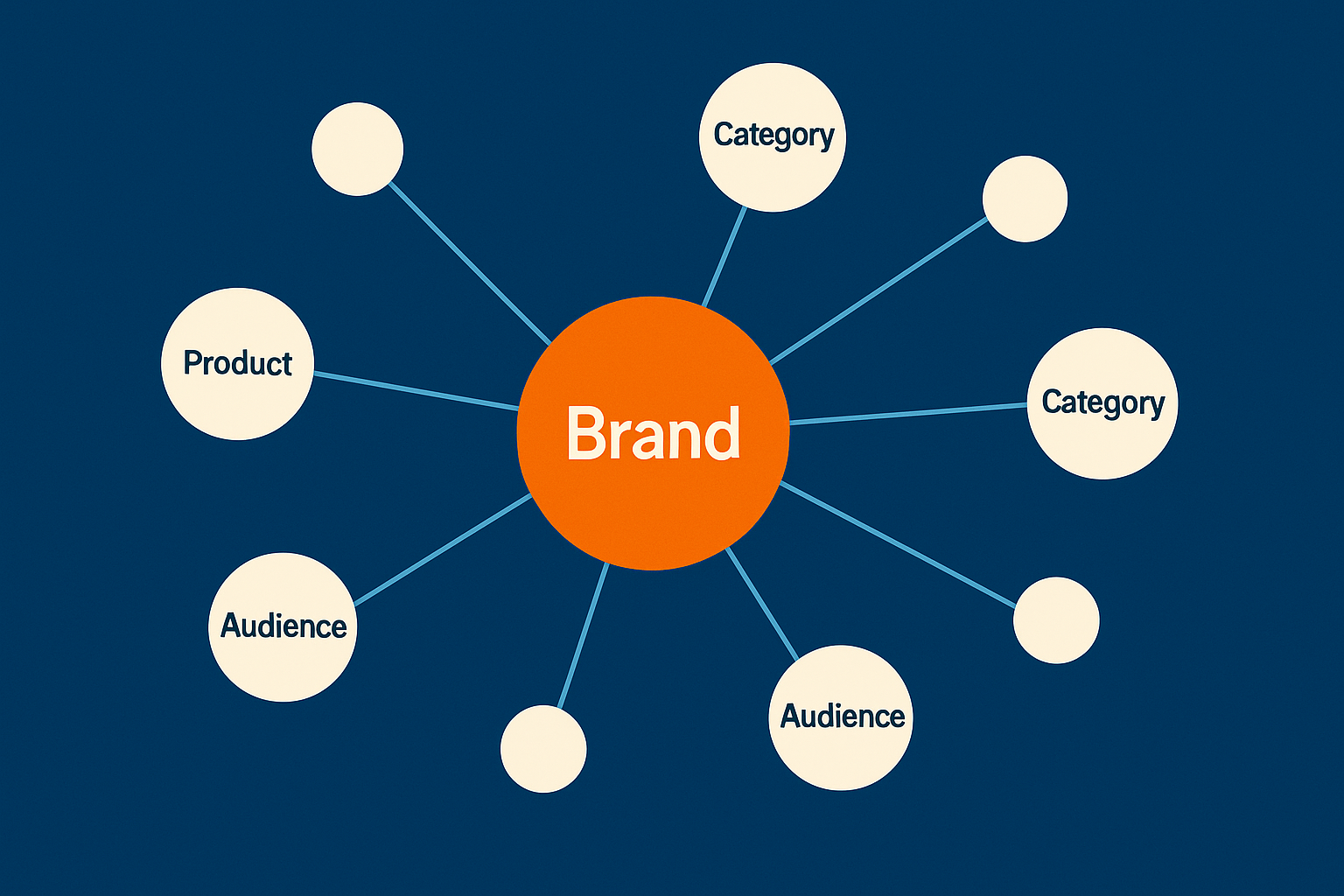
For more than two decades, SEO revolved around keywords. Marketers obsessed over search volume, density, and long-tail variations. But the algorithms have evolved — and so has search behavior. Google, Bing, and emerging AI-driven engines no longer optimize for exact-match strings. Instead, they reward entities: the people, places, products, concepts, and brands that shape meaning.
In this post-keyword world, winning SEO isn’t about sprinkling the right phrases; it’s about becoming the authoritative entity in your niche.
Why Keywords Alone Don’t Cut It Anymore
- Semantic Search Evolution
Google’s Knowledge Graph and natural language models interpret intent, not just literal words. If your content mentions “Apple iPhone,” Google connects it to the entity “Apple Inc.,” not just the string “apple.” - AI-Powered Results
Large language models and generative AI answers focus on concepts and credibility rather than keyword density. - User Behavior Shift
Voice search, conversational queries, and AI-assisted browsing all demand context-rich answers, not keyword-stuffed lists.
What Entity-First SEO Means
- Think in Concepts, Not Strings
Instead of chasing “best CRM software 2025,” position your brand as an authority on CRM adoption challenges, integrations, and ROI. - Connect to the Knowledge Graph
Make sure your brand and core topics are linked to recognized entities — via structured data, schema markup, and consistent naming. - Build Relationships Between Entities
Google rewards clarity of relationships:- Your product is tied to your category.
- Your founders are tied to their expertise.
- Your brand is tied to core topics, not just features.
How to Build Topical Authority
1. Map Your Entity Universe
List the entities connected to your business: product category, key features, customer segments, industry terms.
2. Create Content Hubs
Instead of scattered blogs, build clusters of content around each entity. Example: a “Healthcare Credentialing” hub with guides, case studies, and data reports.
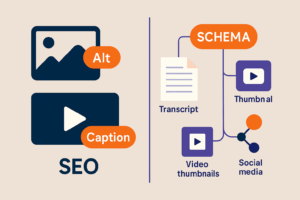
3. Use Structured Data
Leverage schema to explicitly tell search engines what your entities are and how they connect.
4. Earn Contextual Mentions
PR, podcasts, and guest features matter more than ever — they link your entity to other authoritative ones.
5. Align With User Journeys
Cover not only “what is” but also “why it matters” and “how to act.” Authority comes from completeness.
Case Example
A SaaS brand stopped chasing 200+ long-tail variations of “medical billing software.” Instead, it built an entity hub around “RCM (Revenue Cycle Management).” The hub included definitions, compliance checklists, ROI calculators, and case studies. Within six months, the brand ranked in top results for dozens of high-intent queries — without optimizing for each keyword separately.
The Strategic Payoff
- Durability: Entity-based authority outlasts keyword trends.
- Visibility: Strong entities appear in knowledge panels, AI answers, and SERP features.
- Trust: Being recognized as the go-to entity builds defensibility competitors can’t copy.
Final Thought
SEO is no longer a keyword arms race. It’s a battle for entity authority. The brands that win won’t be those with the most keyword-rich pages, but those that are recognized as authoritative entities in their domain.
In a post-keyword world, the question isn’t “What words should we rank for?” but “What entity should we become known for?”





Add comment